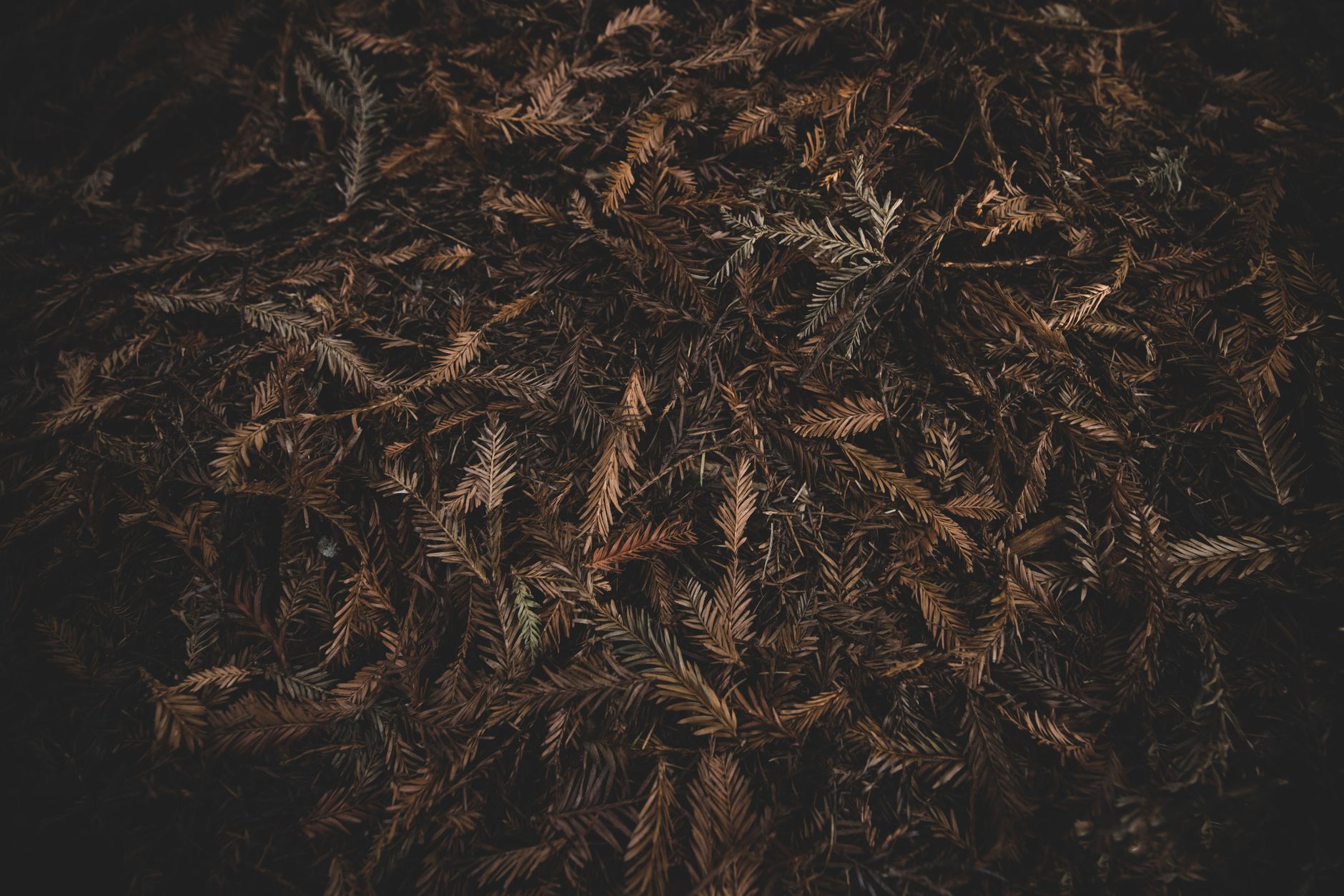
Mulching is important for a healthy garden as it essentially serves as a cosy blanket you put over the soil. This helps it hold onto more water, so you don’t have to use as much, and also keeps weeds from growing.
On top of that, mulch helps keep the soil temperature just right, protecting plant roots from overheating in summer or freezing in winter. Here’s what you need to know about mulching so you can pick the right type for your garden and make it thrive.
Types of Organic Mulching
In the hunt for top-notch garden mulch, organic ones are the top choice. They boost soil health and make your whole garden look better. Furthermore, they also break down and make the soil richer, fitting all sorts of garden needs.
Here are the most common types of organic mulching you can choose from:
Wood Chips
They are great for flower beds, giving them a neat look and keeping weeds down. They break down slowly, so they help the soil for ages. Just keep them away from plant stems to avoid any rot issues.
Straw
It works wonders in veggie gardens by holding in moisture and breaking down faster than wood chips. It’s perfect for gardens that change with the seasons.
Grass Clippings
Grass clippings suit smaller gardens without woody plants. They’re packed with nitrogen and break down quickly, so you’ll need to top them up often. Just watch out for weed seeds sneaking in, as that can become a problem if left unchecked.
Leaves
Leaves are the way to go for plants that love shade. They’re easy to find and break down fast, giving the soil a nice boost. Shred them first so water flows nicely.
Picking the right mulch keeps your plants happy and makes your garden look amazing. Using these organic choices means a more sustainable and thriving garden, which is something British gardens really cherish.
Inorganic Mulch Options
If you’re after something that doesn’t need too much fuss and lasts for a long time, inorganic mulching could be just what you need. They might not boost your soil’s health, but they’re super tough and great for certain garden setups.
Rubber Mulch
Rubber mulch, made from old tyres, sticks around for ages without breaking down. It’s great for busy spots like playgrounds and paths because it’s nice and bouncy. But keep it away from veggie patches since it might leak chemicals into the ground over time and poison it.
Gravel
This mulch looks modern and sleek and is perfect for dry gardens or places with good drainage. It is also great at stopping weeds and lasts pretty much forever. However, it can get hot in the summer, and that might hurt sensitive plants, so be careful.
Landscape Fabric
This type is awesome for stopping weeds, especially if you put another mulch on top. It’s brilliant for areas with a weed problem, but be careful it doesn’t block water and air.
Picking the right inorganic mulch means thinking about what your garden needs. Each type has its perks, so putting them in the right place is key to getting the best out of them.
Choosing the Right Mulch for Your Garden
First and foremost, think about what your garden needs, the types of plants you have, and how the weather rolls in your area.
If your garden dries up fast, straw or wood chips can keep the soil nice and moist. But if you’re in a place where it rains a lot, gravel helps with drainage.
Looks matter too. Bark or leaves give a natural vibe, while rubber mulch is more modern. Make sure your mulching matches the plants, like using pine needles for azaleas or gravel for succulents.
The weather counts as well: in chilly places, a thick layer of mulch keeps everything warm, while in hot spots, a thin layer helps cool things down. When you balance looks with how well it works in your individual gardening setup, your outdoor area stays healthy and good-looking all year.
How to Apply Mulch Effectively
When you’re mulching your garden, getting it right is what’s important. First, give your garden a good clean-up by pulling out weeds and clearing any junk. A tidy space helps stop unwanted plants from popping up.
Then, think about how thick your mulch should be. Go for 2-3 inches if you’re using stuff like wood chips or straw, but for things like gravel, half an inch should do.
Also, make sure to keep mulch a few inches away from plant stems, as this helps them breathe and stops them from rotting.
Here are some tips to increase its effectiveness:
- – Prepare Thoroughly: Get rid of weeds and mess so your plants get all the nutrients.
- – Control Thickness: Stick with 2-3 inches for organic mulch; 0.5 inches for inorganic.
- – Mind the Stems: Leave a gap around plant bases to keep them dry and happy.
Keep an eye on your mulch after bad weather, and top it up if needed. Doing it right means healthier plants and less work for you, so you can chill and enjoy your garden more.
Timing and Frequency of Mulch Application
Putting down mulch at the right time can really boost your garden’s health and appearance. The best times to do this are spring and autumn.
In spring, mulch helps the garden by keeping the soil moist and stopping those early weeds. When autumn rolls around, mulch keeps plant roots warm through the cold months and prepares them for winter.
As the seasons change, you might need different amounts of mulching. In summer, a thinner layer (like 2 inches) stops the soil from getting too hot and in winter, a thicker layer (around 3 inches) keeps things cosy.
How often you top up the mulch depends on what you’re using: organic mulch like wood chips or straw usually needs a refresh once or twice a year. Just keep an eye on it and swap it out when it starts looking worn.
Getting the timing right not only helps your plants grow but also cuts down on how much work you need to do, leaving you with a lush garden to enjoy.
Sourcing Mulch Locally and Affordably
Mulching doesn’t have to cost loads, especially if you use what you already have. Start by checking your garden for leaves, grass clippings, and any other organic bits you can turn into mulch.
Shredding leaves helps them cover the ground better, letting water and nutrients reach the soil nicely. It saves you money and recycles garden waste, which is pretty eco-friendly.
You can also score free mulch from community resources. Lots of local garden centres give it away if you’re up for picking it up yourself.
City compost programs might have extra mulch too, so it’s worth asking your city council or gardening groups. These options cut costs and are really good for the planet.
If you’d rather buy mulch, garden centres and landscaping suppliers have heaps of choices. It’s smart to call ahead and check what they’ve got. Buying in bulk can save you a bit, which is handy for bigger gardens.
Local suppliers often have mulch at reasonable prices or sometimes even for free, which can help your gardening immensely.
Conclusion
Mulching is one of the best things you can do for your garden, as it will make life easier for both your plants and you. Use these tips as guidance to pick the right type and to do it properly.
Your gardening journey will be all the better for it, and you’ll spend plenty of time enjoying the results.