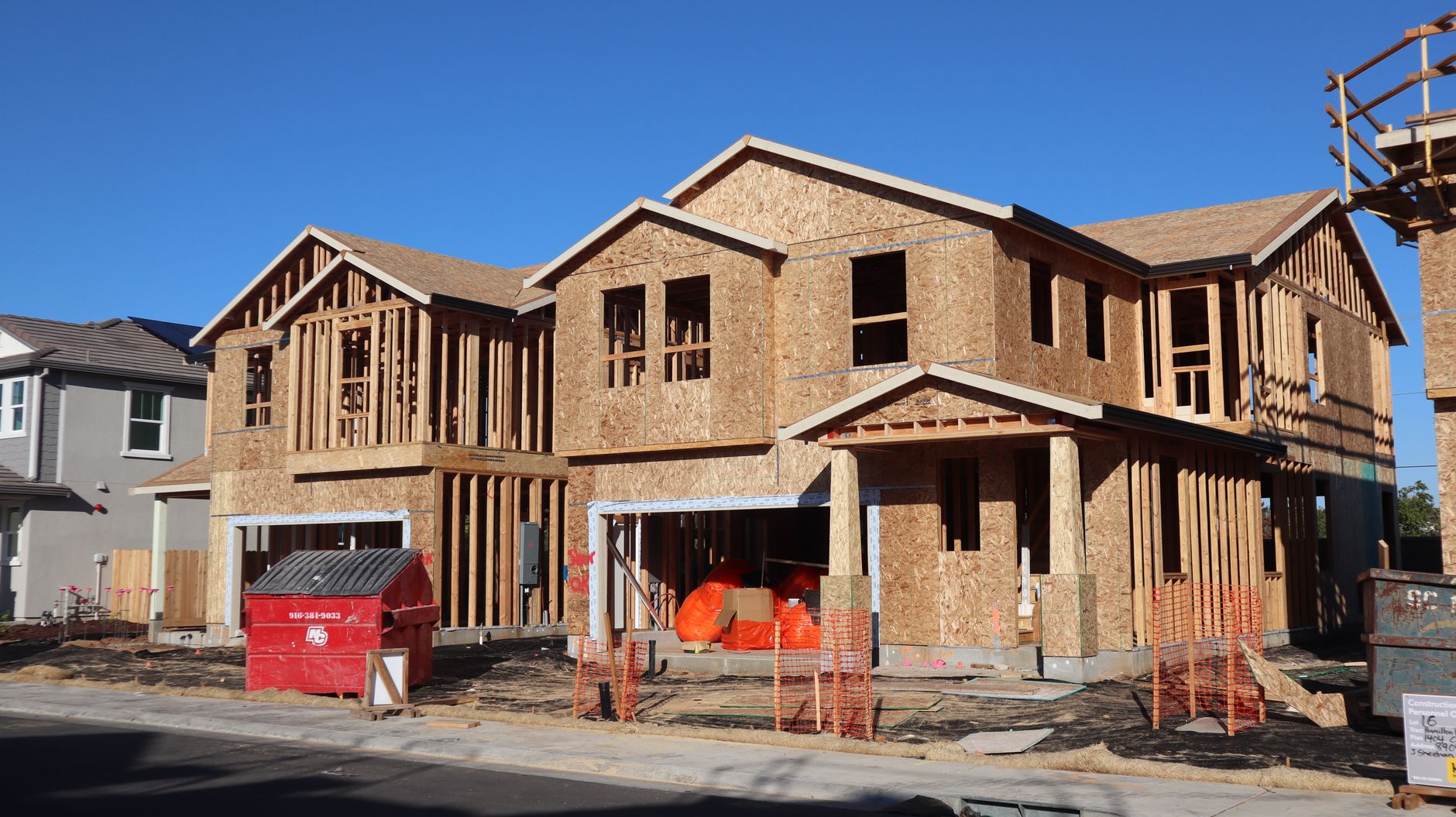
New home construction slowed in June as builders grapple with a difficult cost environment, according to the latest residential construction data.
June starts rise only in multifamily housing
Housing starts increased 19% from May and were up 3.5% year‑over‑year, beating forecasts. The growth, however, was confined to the multifamily sector. Single‑family starts were essentially flat, slipping 0.2% from the previous month.
The National Association of Home Builders (NAHB) said higher mortgage rates and rising construction financing costs are key reasons for the weak single‑family performance. “Builders continue to face a difficult cost environment,” said Danushka Nanayakkara‑Skillington, the association’s assistant vice president for forecasting and analysis. “The monthly decline in single‑family starts highlights the ongoing challenges facing residential construction despite a persistent shortage of available homes.”
Builders remain cautious.
Related: Real’s acquisition could reshape REMAX broker landscape
Permits and builder confidence also dip
Building permits, a leading indicator of future activity, fell 3% overall in June. Permits for single‑family homes dropped 2.4%, signaling a slowdown in pipeline projects.
Builder sentiment has been declining for more than a year. The NAHB Housing Market Index recorded a reading of 34 in July, the lowest level reported this year and below the 50‑point threshold that signals optimism. All three survey components—current sales conditions, future sales expectations, and buyer traffic—registered lower scores.
“Affordability remains the home building industry’s primary challenge, as raised mortgage rates, costly land, rising material prices, and persistent skilled labor shortages continue to affect the market,” said chief economist Robert Dietz.
Oxford Economics’ lead U.S. economist Nancy Vanden Houten warned that borrowing costs could stay high, limiting any near‑term bounce in starts. “We don’t see much upside for starts until interest rates move lower,” she said.
Related: Lower Commissions Not the Solution
One possible relief source lies in recent legislation. The 21st Century ROAD to Housing Act contains provisions aimed at easing land‑use restrictions and expanding financing tools. NAHB chairman Bill Owen noted the reforms could help, but added that implementation will take time.
While the construction side shows caution, demand for completed homes appears steadier. The Mortgage Bankers Association (MBA) reported a 2.4% year‑over‑year rise in new‑home purchase applications for June. Its seasonally adjusted annual sales rate climbed 3.9% from May, marking the strongest three‑month stretch this year. MBA’s Joel Kan linked the uptick to builder incentives aimed at clearing inventory.
Considering the data, a modest shift seems plausible. If financing costs ease modestly, builders may resume modest single‑family projects, especially in regions where inventory gaps are widest. Yet, any recovery will likely be gradual, constrained by lingering material price pressures and labor shortages.
In the short term, the market will probably continue to see more multifamily activity than single‑family builds, reflecting developers’ preference for higher density projects that can better absorb financing costs.





Leave a Reply