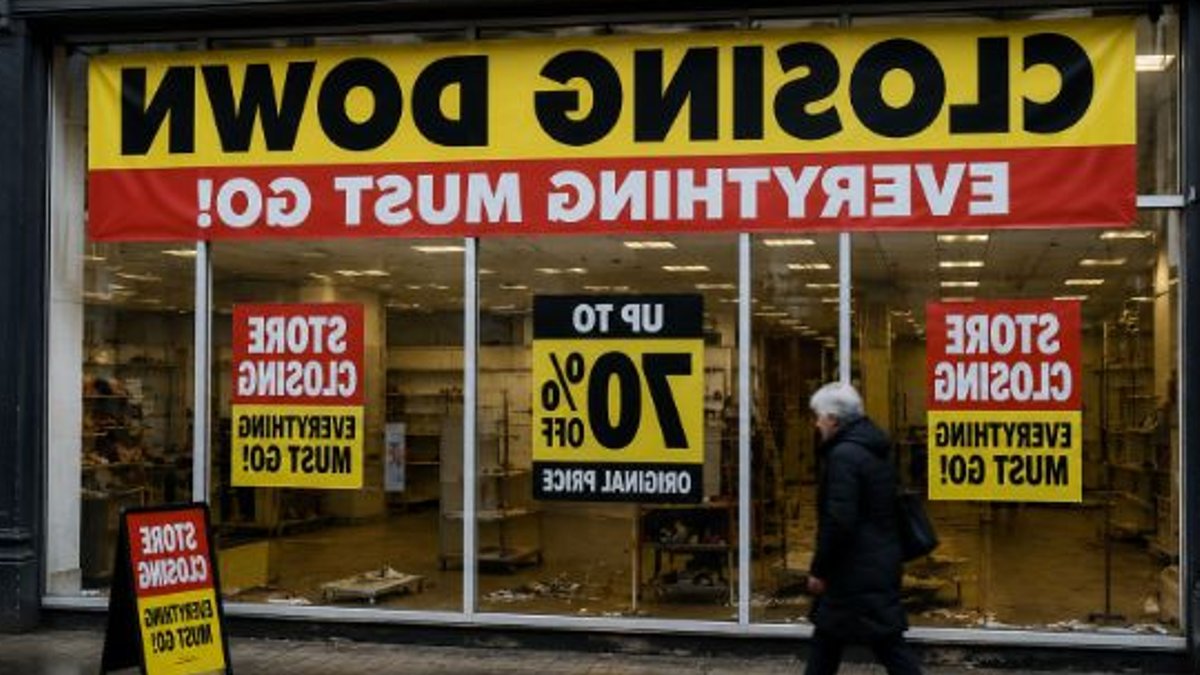
Europe’s retail middle market is vanishing at a pace that analysts say could reshape the continent’s shopping environment within a year, according to a recent assessment by PwC UK.
Middle‑market pressure drives a wave of bankruptcies
Mid‑tier specialty fashion, consumer electronics, home and furniture, and traditional hypermarkets are all feeling the squeeze. The report highlights three overlapping forces: a “middle‑market trap” that leaves mid‑priced brands stranded between discounters and luxury, a “return squeeze” that erodes margins on online returns, and a broader discretionary deferral as households protect essential budgets.
Among the most recent casualties is Belgian plus‑size fashion chain Paprika, which filed for bankruptcy on 8 July 2026. The chain shut its remaining 30 stores and eliminated 151 jobs after failing to secure a buyer despite a judicial reorganisation under new owner Futura Capital Fund. The collapse follows a similar pattern for other mid‑market players.
UK accessories retailer Claire’s closed all of its standalone stores by April 2026, resulting in about 1,300 job losses. Fast‑fashion chain Quiz entered administration on 5 February 2026, marking its third insolvency in six years, and completed the wind‑down of its 37 remaining stores by June. Lifestyle e‑commerce brand Gandys, known for FSC‑certified flip‑flops and royal patronage, went into administration in April despite its sustainability credentials.
Related: GIC and Valor buy Irish logistics park
Segments that remain resilient
Hard discount and off‑price retailers continue to attract more than 45 % of European households, who actively hunt for private‑label bargains and deep promotions.
Proximity and convenience formats also see steady traffic, with shoppers visiting an average of 3.5 distinct chains each month and preferring walk‑in stores over weekly bulk trips.
Functional health and wellness products—high‑protein, fresh, and “nutritional efficiency” lines—enjoy strong growth as consumers still justify spending on perceived health benefits. Resale and re‑commerce channels capture demand that drifts away from full‑price mid‑market fashion.
These trends suggest that smaller, agile formats are better aligned with the new consumer behaviour, which favours frequent, targeted purchases over single, large‑scale shopping trips.
Related: 5 Plumbing Failures Quietly Draining Park City Rental Income
From a real‑estate perspective, the shift is equally significant. Large‑scale department stores and hypermarkets, built for the traditional weekly shop, are increasingly mismatched with shoppers who now run multiple, smaller “tactical missions” each month. In contrast, urban dark stores, last‑mile fulfilment hubs, and compact proximity units are emerging as the more investable asset class.
One way to view the change is that the retail sector is moving from a single‑destination model to a networked approach, where location flexibility and rapid fulfilment become core competitive advantages. This transition is not merely a reaction to cost pressures; it reflects a deeper realignment of how consumers allocate limited budgets across categories.
Underlying forces and future outlook
Meanwhile, McKinsey notes that value‑conscious shoppers are practising “strategic splicing,” buying private‑label staples from hard discounters to fund occasional indulgences. This behaviour shows that consumers are not abandoning quality altogether, but are reallocating spend in a more calculated way.
Overall, the data suggest a structural shift rather than a temporary dip. Landlords and developers with large‑format assets may need to reconsider their portfolios, while investors eyeing smaller, high‑turnover formats could find new opportunities. The retail environment in Europe appears set to continue evolving as the middle market recedes and niche, value‑driven formats expand.





Leave a Reply