
The Hidden Asset: Unlocking Property Value Through Accessory Dwelling Units
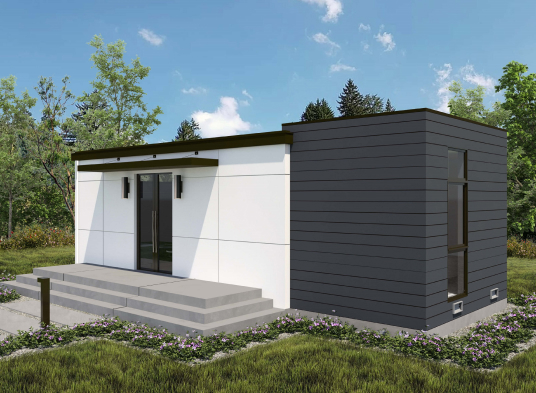
For many homeowners, the traditional method of increasing property value involves kitchen remodels or bathroom upgrades. While these interior improvements certainly add appeal, they rarely fundamentally change the utility or the income potential of a residence. This is why Accessory Dwelling Units, or ADUs, have emerged as one of the most significant real estate investments a homeowner can make. Often referred to as granny flats, backyard cottages, or carriage houses, these self-contained living spaces offer a unique combination of immediate functionality and long-term financial gain. Understanding the return on investment for adu homes requires looking past the initial construction costs and toward the permanent shift in the property’s market position.
Immediate Equity Gains and Appraisal Value
The most direct form of return on investment is the immediate increase in the total appraised value of the property. When an appraiser evaluates a home with a permitted ADU, they are looking at more than just additional square footage. They are assessing a secondary, independent living structure that possesses its own kitchen, bathroom, and entrance. In many competitive real estate markets, the addition of a high-quality ADU can increase the total property value by a percentage that significantly exceeds the cost of construction.
Because ADUs are increasingly recognized by lenders and appraisers as legitimate living spaces, they provide a tangible boost to the home’s “comparative” value. When it comes time to sell, a home with a built-in rental unit or a secondary suite stands out to a wider range of buyers, including multi-generational families and investors looking for a “house hacking” opportunity. This increased demand often translates into a faster sale and a higher closing price, securing the homeowner’s equity for the future.
Generating Consistent Passive Income
Perhaps the most compelling argument for the ROI of an ADU is its ability to generate monthly cash flow. Whether used as a long-term rental for a local professional or a short-term vacation rental, the ADU transforms a portion of the backyard into a revenue-generating asset. In many regions, the monthly rent collected from an ADU is more than enough to cover the monthly increase in a mortgage or the financing used to build the unit, effectively making the addition “self-paying.”
Over time, as the initial debt is retired, the rental income becomes pure profit. This passive income stream can be used to offset the primary mortgage, fund retirement, or pay for other property improvements. Unlike other home renovations that only provide value upon the sale of the home, an ADU provides a continuous financial benefit that can weather fluctuations in the broader real estate market.
Flexibility for Multi-Generational Living
The value of an ADU is not strictly measured in dollars and cents; it also provides significant “lifestyle” ROI. As the costs of assisted living and independent senior housing continue to climb, many families are looking for ways to keep aging parents close by while maintaining privacy for everyone. An ADU provides a safe, accessible, and dignified environment for seniors, which can save a family thousands of dollars per month in external care costs.
This flexibility extends to adult children who may be struggling with high housing costs or even the homeowners themselves. Many owners choose to “downsize” into their own ADU while renting out the primary residence, allowing them to stay on their property while maximizing their retirement income. This adaptability ensures the home remains functional through every stage of life, providing a level of security that a standard single-family home simply cannot match.
Conclusion
Building an Accessory Dwelling Unit is a strategic move that addresses the modern need for housing flexibility and financial resilience. While the upfront investment is substantial, the combination of increased property equity, consistent rental revenue, and the long-term savings of multi-generational living creates a compelling financial narrative. By turning underutilized land into a functional living space, homeowners are doing more than just adding a room; they are building a versatile asset that pays dividends for decades. As urban areas continue to densify and housing demands evolve, the ADU remains a premier choice for those looking to maximize the return on their most significant investment.