
The Master Mover’s Toolkit: A Definitive Packing Supplies Guide
The difference between a stressful, chaotic move and a seamless transition into a new home often comes down to the quality of the materials used. Many people assume that a box is just a box, but professional movers know that using the wrong supplies can lead to damaged heirlooms, broken electronics, and unnecessary physical strain. When you hire experts, they arrive with a specialized arsenal designed to protect your belongings from the vibrations of the road and the rigors of being stacked in a moving truck. By following the recommendations of seasoned professionals, you can ensure that your possessions arrive at their destination in the same condition they left, saving you time, money, and heartache in the long run.
Choosing the Right Boxes for the Job
The foundation of every successful move is the corrugated box. Professionals strongly advise against scavenging for used boxes from grocery stores or liquor shops. While free, these boxes are often structurally compromised by moisture, pests, or previous use, and they rarely come in uniform sizes. Professional moving boxes are designed with a specific bursting strength to withstand the pressure of being stacked five or six high. For the most efficient pack, you should utilize a variety of sizes: small boxes for heavy items like books and canned goods, medium boxes for general household items, and large boxes for light, bulky items like linens and pillows.
Beyond standard sizes, movers recommend specialized containers for high-value or awkward items. Wardrobe boxes, which include a metal hanging bar, allow you to move clothes directly from the closet to the box without folding or wrinkling them. Dish barrels are constructed with double-walled cardboard to provide extra cushioning for fragile kitchenware. Using these task-specific boxes might seem like an extra expense, but they significantly reduce the time spent packing and unpacking while offering superior protection that a standard box simply cannot provide.
The Secret to Cushioning and Interior Protection
Once you have the right boxes, the next priority is what goes inside them to prevent movement. Professional movers rarely rely on newspaper for wrapping because the ink can rub off and permanently stain delicate china or fine fabrics. Instead, they recommend unprinted newsprint paper. This clean, absorbent paper can be crumpled to create a shock-absorbing buffer at the bottom and top of every box. For extremely fragile items like glassware or small sculptures, bubble wrap is the preferred choice, as the air-filled pockets provide a higher level of impact resistance.
For larger furniture pieces that cannot fit in boxes, movers rely on heavy-duty moving blankets, also known as furniture pads. These thick, quilted covers protect the finish of wood and leather from scratches and gouges during transit. To keep these blankets in place, professionals use stretch wrap, a high-strength plastic film that clings to itself without leaving a sticky residue on your furniture. This combination of padding and film creates a protective shell that allows furniture to be maneuvered through tight hallways and doorways without damage.
Sealing and Securing with the Correct Adhesives
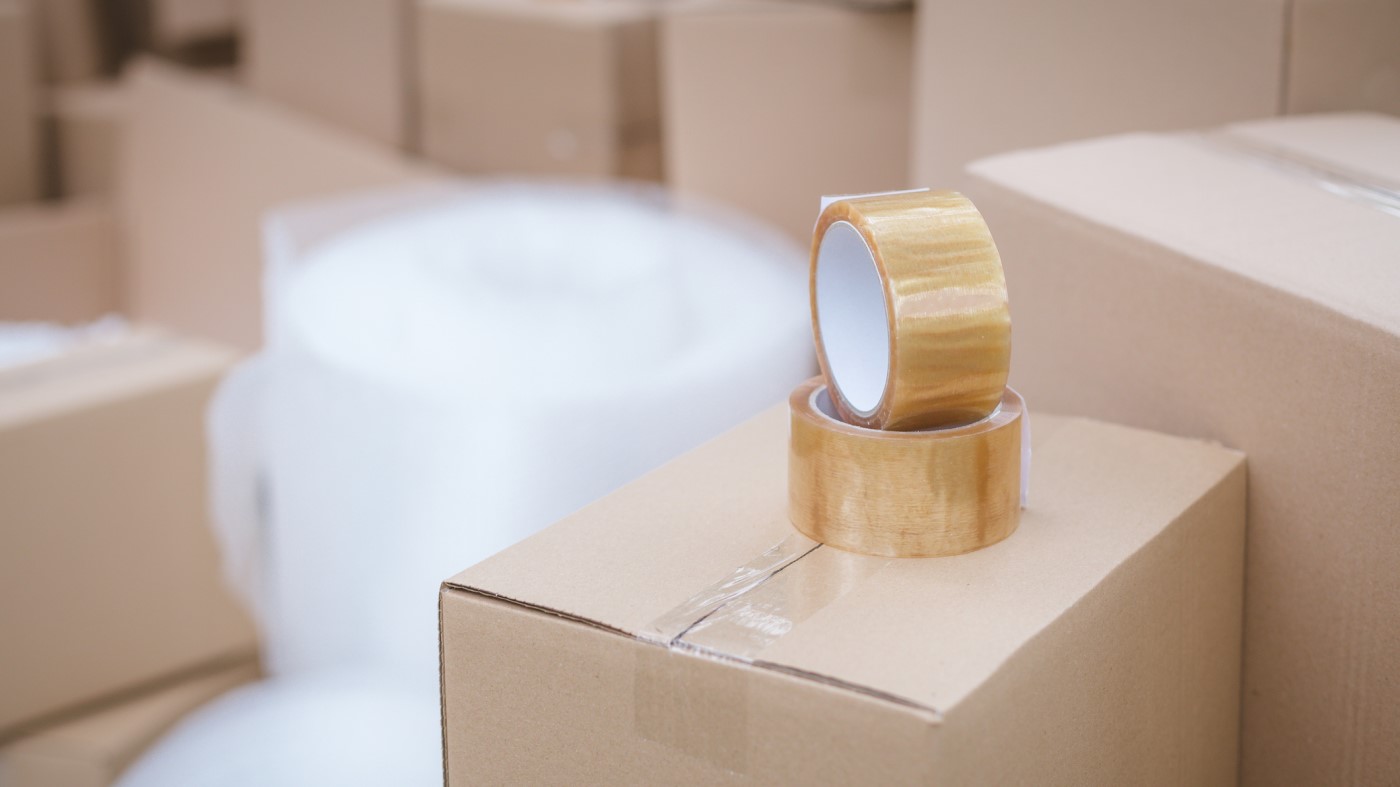
One of the most common mistakes DIY movers make is using the wrong type of tape. Masking tape, duct tape, and cellophane tape are not designed for the weight of a moving box and will often fail under the stress of heat or humidity. Professionals recommend high-quality pressure-sensitive acrylic shipping tape. This tape creates a strong bond with the cardboard and ensures that the bottom of the box does not fall open when lifted. It is also helpful to use a tape gun, which allows for consistent tension and faster application, ensuring every seam is properly reinforced.
In addition to securing the boxes, labeling is a critical part of the supply list. Movers recommend using thick, permanent markers in various colors. A color-coded system—where each room is assigned a specific color—allows movers to quickly identify where a box belongs in the new house without having to read every label. It is also a best practice to label the sides of the boxes rather than the tops, as labels on the top are hidden once the boxes are stacked. Marking boxes as fragile or this side up ensures that handlers prioritize the safety of those specific containers.
Conclusion
Packing for a move is more than just a chore; it is an exercise in risk management. By investing in the same high-quality supplies used by professional moving companies nyc, you are effectively buying insurance for your belongings. High-strength boxes, clean newsprint, industrial-grade tape, and specialized furniture protection work together to create a secure environment for your life’s possessions. While it may be tempting to cut corners with free materials, the cost of replacing a broken television or a shattered antique is far greater than the cost of the right supplies. Approaching your move with the right tools ensures that your focus remains on the excitement of your new beginning rather than the loss of your old treasures.