Yoly Viloria has spent over two decades advising clients on real estate investments, and her approach begins with a clear principle: property investment is not speculation. As CEO of YV Empire LLC and a Terra Group ambassador, she stresses that success in Miami’s market requires more than market knowledge—it demands familiarity with legal terms, financing structures, and the specific needs of high-net-worth buyers. Her work goes beyond transactions; she helps clients transition from one property to another of greater value, ensuring sustained growth over time.
Viloria’s business philosophy prioritizes trust over transaction volume. “A skilled broker does not focus solely on closing deals,” she states. “You are not selling an item that can be returned. Clients need assurance.” Her process involves evaluating whether a buyer is genuinely prepared, as many brokers rush transactions, but she advises against hasty purchases. “If you are not ready to buy, do not proceed,” she advises.
Client satisfaction, she believes, serves as the most effective form of promotion. Her method involves customizing property options to individual needs, whether for primary homes or investment assets. For foreign investors, this includes addressing financing challenges—such as the 30-40% down payment required for pre-construction purchases—while using digital tools to finalize agreements from abroad. Pre-construction sales offer the advantage of fixed pricing during development, with payment plans spread over multiple years.
Latin American buyers dominate Miami’s market, but Mexican investors lead in transaction value, with an average spending of $937,000 per property. While Colombians account for the highest number of purchases, their average spending is lower. Beyond the region, Turkish, Spanish, and Asian investors are also active, drawn to Miami’s expanding luxury sector.
Miami’s Transition to Experience-Centric Luxury
Miami’s property sector is undergoing significant transformation. New infrastructure projects, including a direct train route to Orlando and upgraded road networks, have improved accessibility, while redevelopment in neighborhoods like Wynwood and Midtown is attracting affluent buyers. Viloria points to a growing demand for properties that offer more than physical space: integrated hospitality, high-end dining, and wellness facilities have become essential selling points.
Developers such as Terra Group are collaborating with international brands to enhance their projects. These initiatives combine culinary excellence with residential living in the Design District, reflecting this trend by merging luxury living with exclusive lifestyle experiences.
For those new to investing, Viloria recommends starting with more affordable properties to assess market conditions. This aligns with a broader industry shift: Miami’s luxury segment now emphasizes intangible benefits, prestige, convenience, and social status, alongside property value.
Pre-Construction as a Key Market Entry Strategy
Pre-construction sales continue to play a central role in Miami’s luxury market, offering buyers the benefit of fixed pricing during development. Viloria highlights how digital advancements have made remote participation easier: foreign investors can now sign contracts online, with e-signatures and secure transfers simplifying the process. However, timing remains critical. For properties nearing completion, buyers may have as little as eight months to arrange financing before the closing date, though some developers permit extended prequalification periods if market conditions change.
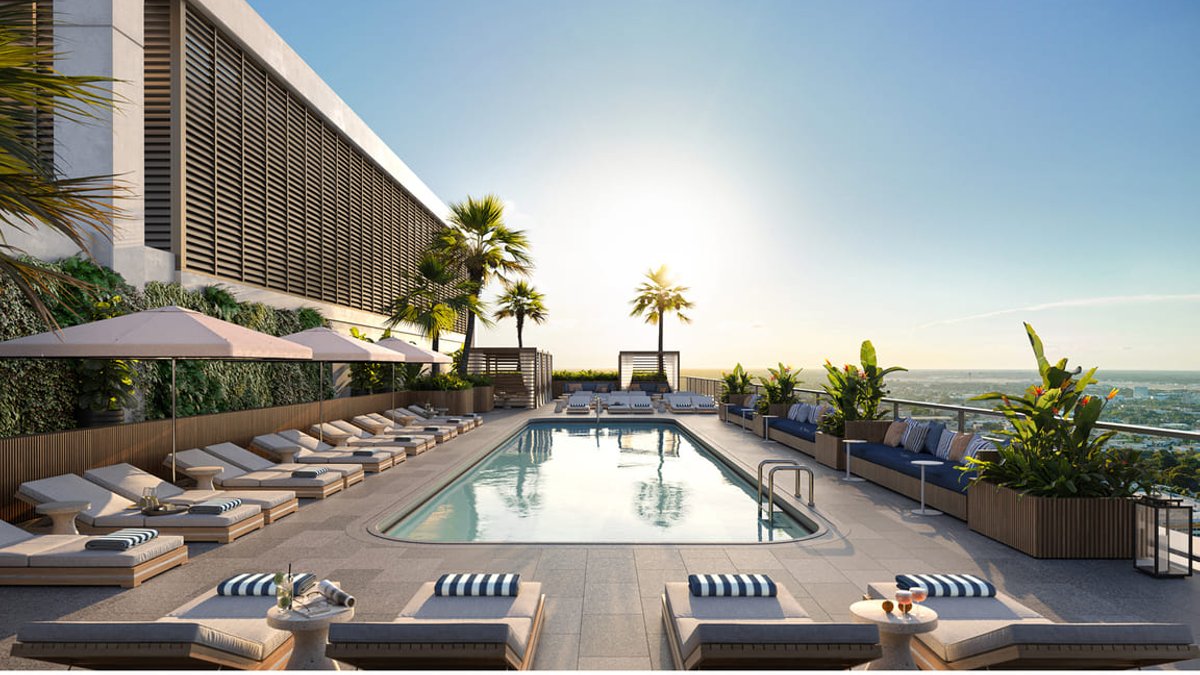
The appeal of pre-construction lies in its dual advantage: price stability and potential future appreciation. Buyers avoid competitive bidding for completed units while gaining access to amenities that may not yet exist, such as rooftop pools, private marinas, or concierge services.
Diverse International Buyer Trends
While Latin American investors remain the largest group in Miami’s market, the city’s international appeal is expanding. Spanish investors are attracted by tax incentives and the ability to use properties as secondary homes without local ownership restrictions. Asian investors, primarily from China and South Korea, are also active, though their purchases tend to focus on high-end towers, where security and prestige are prioritized.
Expertise and Long-Term Strategy in Miami Real Estate
Property investment requires specialized knowledge beyond market trends, including legal terms, financing options, and the unique demands of high-net-worth buyers. Over two decades of experience highlight that success depends on understanding property strengths, local market conditions, and financial structures. Advisors often guide clients through property sales to facilitate reinvestment in higher-value assets, ensuring continuous portfolio growth.
Pre-construction purchases allow buyers to secure listed prices while a development is underway, with foreign investors typically required to pay 30% to 40% upfront. These buyers usually have two to three years to finalize financing or, in cases where construction is nearly complete, up to eight months for loan prequalification. Payment flexibility varies based on project stages rather than a single lump-sum requirement.
Miami’s real estate expansion is reshaping urban areas like Wynwood, Midtown, and the Design District, driven by limited available land and demolition of outdated properties. Redevelopment in these zones reflects shifting buyer preferences for modern, high-demand spaces. Legal and financial complexities remain critical, particularly for foreign investors handling stricter financing rules and transaction requirements.





Leave a Reply