Employees in Osun State have launched a three-day walkout after negotiations over local government funding collapsed. The Osun NLC Chairman, Christopher Arapasopo, and Secretary Victor Amusan announced the strike in a shared statement.
The labor action comes after a seven-day ultimatum expired without resolution from both the Federal Government and Osun State Government. According to the union, both governments had failed to resolve the issues raised within the deadline, leaving it with no option but to proceed with industrial action.
Funding Dispute at Core of Strike
The conflict centers on the administration and disbursement of statutory financial allocations designated for Osun’s 30 local councils. The disagreement arises from an ongoing political and legal confrontation between the Osun State Government and the All Progressives Congress (APC) over council control.
Tensions escalated in February 2025 when opposing factions clashed over local government secretariats, resulting in six fatalities—including Remi Abbas, who was the APC-nominated chairman of Irewole Local Government Area at the time.
Legal Setbacks and Temporary Relief
In December 2025, the Supreme Court dismissed a suit filed by the Osun State Attorney-General seeking to compel the release of withheld allocations directly to the councils led by officials elected in February 2025. The court ruled that the Attorney-General lacked jurisdiction to represent all 30 councils in the lawsuit.
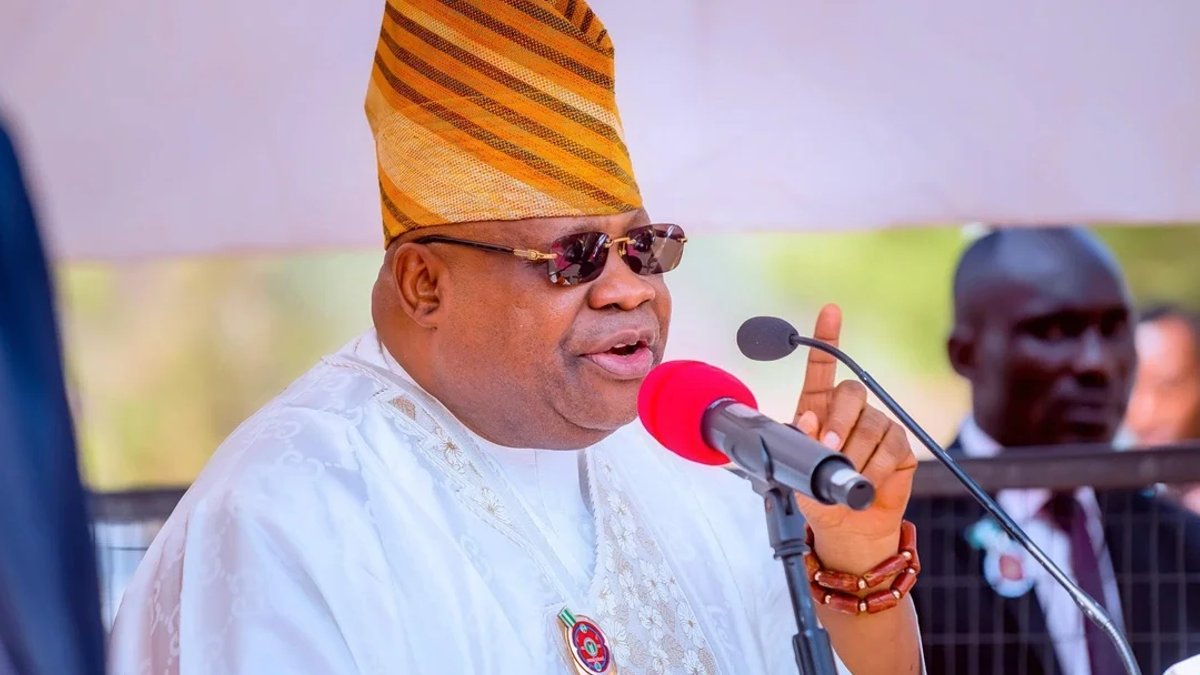
While Governor Ademola Adeleke’s administration has temporarily covered workers’ net salaries without deductions, the NLC insists this measure does not substitute for the regular statutory allocations owed to the councils. The union emphasizes that ongoing financial instability threatens the councils’ ability to fulfill payroll obligations, process allowances, and sustain basic services.
The NLC described the difficulties confronting local government employees as a collective concern for the labour movement, insisting that workers’ welfare and economic security require a lasting resolution.
Broader Consequences for Public Services
The dispute extends beyond workers’ salaries to the capacity of local governments to deliver basic services and maintain public infrastructure. Councils are responsible for grassroots development, including primary healthcare, road networks, sanitation systems, and community facilities.
Prolonged uncertainty over their finances can disrupt these responsibilities and weaken service delivery. For residents and businesses, the consequences could include delays in local infrastructure projects, reduced maintenance of public facilities and interruptions to services that support economic activity. The NLC has previously stated that unresolved disputes may result in coordinated protests targeting United Bank for Africa branches across Osun.
Resolving the impasse will therefore require more than a temporary salary intervention. It will require a clear and sustainable arrangement for accessing council allocations, meeting workers’ entitlements and restoring the capacity of local governments to discharge their responsibilities.





Leave a Reply