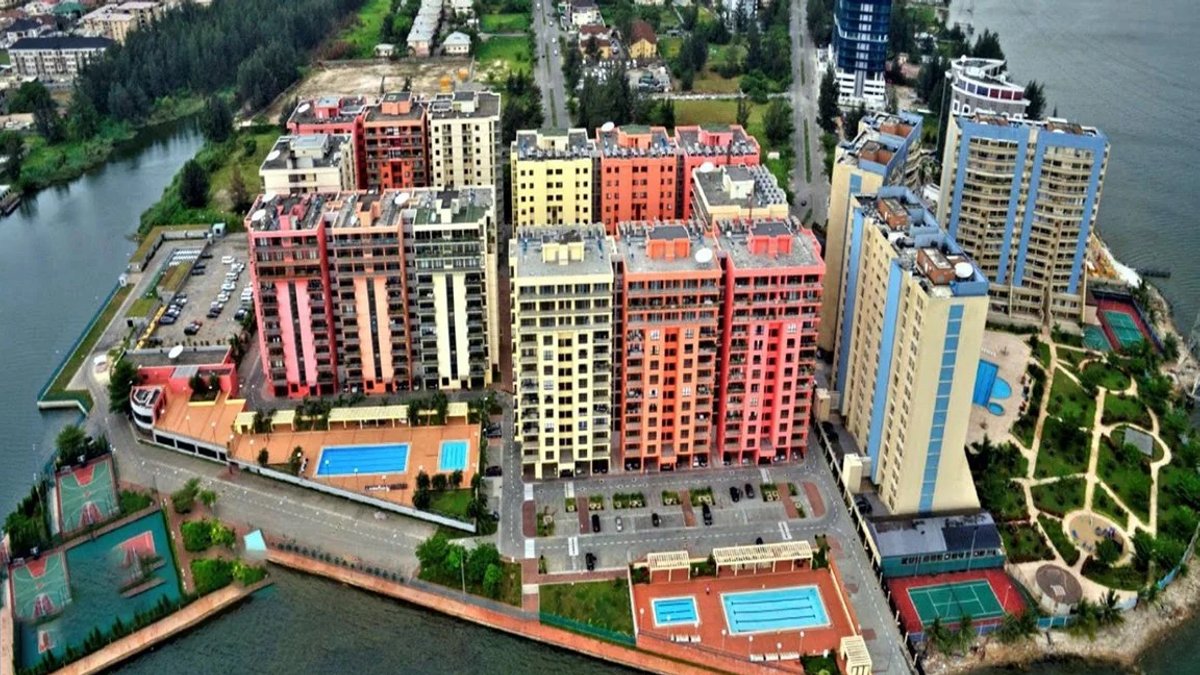
Lagos’s luxury residential property market is experiencing a significant impact from Nigerians living abroad, who are leveraging their stronger foreign-currency purchasing power to drive demand and boost prices in prime areas like Ikoyi, Victoria Island, and Lekki. This trend is exacerbating a growing divide in the city’s property market, where high-end developments are attracting buyers with access to foreign currency, while many locally based households are struggling with rising acquisition costs, expensive mortgages, and limited purchasing power.
Diaspora Capital Drives Price Gains
According to Temidayo Ademosu, Founder and Chief Executive Officer of Arrowhead Homes and Properties, diaspora capital is one of the four key factors influencing property sales in Lagos, alongside infrastructure development, housing demand, and buyers’ increasing concern about protecting their investments. Ademosu notes that Nigerians abroad often use their foreign-currency earnings to finance high-value purchases, giving them a greater capacity to acquire premium properties than buyers who rely solely on naira incomes.
Ikoyi, Victoria Island, and Lekki Phase 1 remain among the locations attracting significant interest from diaspora and high-net-worth buyers, who typically target two- and three-bedroom apartments in premium developments with prices ranging from approximately ₦250 million to over ₦1 billion. The ability to earn in foreign currencies gives diaspora buyers a competitive edge when purchasing properties priced in naira, which can support premium property values, particularly in areas with limited land and high-quality developments.
However, diaspora demand is not the only factor influencing prices. Construction costs, land availability, infrastructure, security, and purchases by local high-net-worth individuals and corporate organizations also shape the market. The growing influence of overseas buyers therefore reflects a combination of foreign-currency purchasing power and the broader cost pressures affecting property development in Lagos.
As prices rise in established neighborhoods, investors are increasingly assessing locations along Lagos’s expanding urban and industrial corridors. Ademosu identified Epe, Ibeju-Lekki, Eleko, Akodo, Ikorodu, Imota, and Agbowa as areas with potential for land banking and residential development. He attributed their prospects to infrastructure projects, industrial activity, and the possibility of increased housing demand from workers and businesses operating in surrounding areas.
Ademosu also identified Mowe-Ofada, Ifo, Akute, and Alagbole as locations that could attract households seeking more affordable accommodation within commuting distance of Lagos. However, anticipated infrastructure development does not automatically translate into property appreciation. Investors must assess project delivery, access roads, land documentation, drainage, zoning, and the availability of essential services before committing capital.
For most local households, purchasing a home remains out of reach due to soaring property costs and prohibitively high mortgage rates—ranging from 27% to 32%. Ademosu estimates that about 80% of Lagos property transactions rely on outright purchases, developer instalment arrangements, and diaspora-funded payments. This financing structure leaves a large section of the market dependent on accumulated savings, family support, or flexible payment plans rather than conventional mortgages.
Middle-income buyers are consequently looking beyond the most expensive parts of Lagos. Locations such as Yaba, Surulere, Ikorodu, and Mowe are attracting buyers seeking smaller one- and two-bedroom homes at comparatively lower prices.
Rental Returns Differ Across the City
Ademosu estimates that net rental yields in Ikoyi and Victoria Island range from 3 to 5% for conventional long-term leases, while Lekki Phase 1 and Pinnock offer approximately 4 to 6%. He places potential net yields in Yaba, Surulere, Ikeja, and Gbagada at between 6 and 9%, with some mainland mass-housing locations and the Epe corridor potentially offering 7 to 10%, depending on acquisition costs and occupancy.
For example, Ademosu cited a two-bedroom apartment in Yaba purchased for ₦70 million, including associated acquisition costs, and generating annual rent of ₦5.5 million. After estimated deductions for vacancy, maintenance, service charges, agency fees, and taxes, he calculated net annual income of approximately ₦3.2 million, representing a yield of about 4.6%.
Documentation and Management Challenges
The rise of diaspora buyers highlights the need for clear property documentation and professional management. Buyers purchasing from overseas may find it difficult to independently verify ownership records, planning approvals, and the status of a development. This creates exposure to fraudulent transactions, disputed ownership, and delays in project delivery.
Ademosu advised investors to examine title documents, including Certificates of Occupancy, Governor’s Consent, and registered Deeds of Assignment, while confirming that properties are not affected by government acquisition. He also highlighted the importance of checking flood exposure, road access, drainage, and the track record of developers before completing transactions.
For investors who do not live in Nigeria, property management presents another challenge. Effective management involves tenant screening, rent collection, preventive maintenance, financial reporting, and timely responses to repairs and complaints. These services can help reduce vacancies, protect property conditions, and ensure steady rental income.
The central challenge for Lagos is to attract investment while expanding the supply of homes that households earning in naira can afford.





Leave a Reply