
On 9 and 10 November, about 170 members gathered in Marseille for the INREV Autumn Conference 2022. The assembly brought together investors, developers and service providers who shared insights on market conditions, emerging sectors and policy challenges. Industry speakers examined the macro-economic climate, geopolitical shifts and emerging trends such as alternative assets, the “S” in ESG and a closing visual presentation by photographer Jimmy Nelson.
Geopolitics and macro outlook
Rob de Wijk, founder of HCSS, opened with a talk titled “Seeing Geopolitics through a new lens.” He described how crises accelerate change and cited the Russia-Ukraine war and tensions with China as examples of “Flow Security,” where goods, energy and services become weaponised.
Paul Kennedy of J.P. Morgan Asset Management presented a macro-economic outlook focused on inflation and the risk of recession. He linked the COVID-19 pandemic and the war in Ukraine to renewed price pressures, warning that markets fear a return to the 70’s era of high inflation. Kennedy noted that a modest slowdown might ease price growth, but he also warned that higher rates and a deeper recession could become necessary to restore stability.
Alternative assets gaining traction
Michael Fuller, representing Brookfield Asset Management, highlighted life-science properties as a fast-growing niche. Tenants from industry, academia and government are drawn by aging demographics, the rise of “well-being,” and pandemic-related demand. He noted that these facilities often attract premium rents because of their specialised infrastructure.
Martin Davies of Nuveen Natural Capital argued that well-managed forestry assets support biodiversity, sustainable development and carbon sequestration. He highlighted that forests across the United States, Brazil and other regions can contribute to global climate solutions while delivering financial returns.
Therese Norling from Areim described data-center demand as driven by artificial-intelligence growth and large tech firms. She pointed out that the rapid expansion of AI workloads is creating unprecedented need for high-density computing spaces. She cited a statistic that 90% of data stored today was created in the last two years, with the sector using 8-10% of global electricity and emitting 2-4% of total CO₂. A Nordic model illustrated sustainability through cross-laminated wood construction and heat-recycling for shrimp farming.
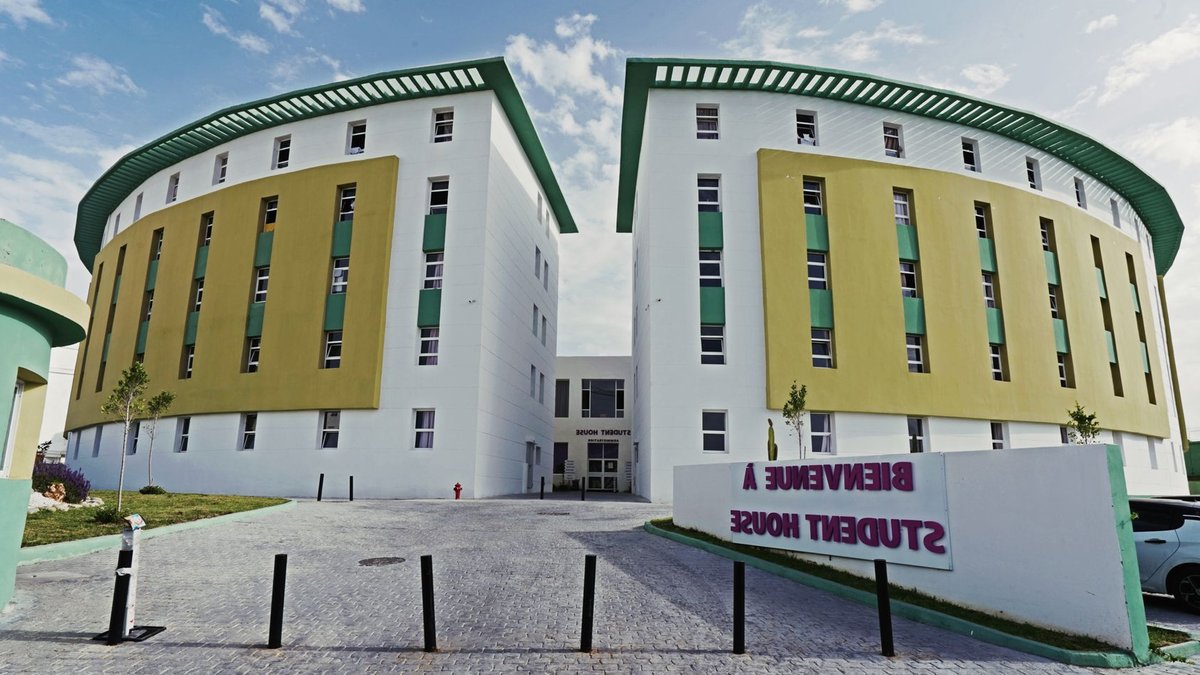
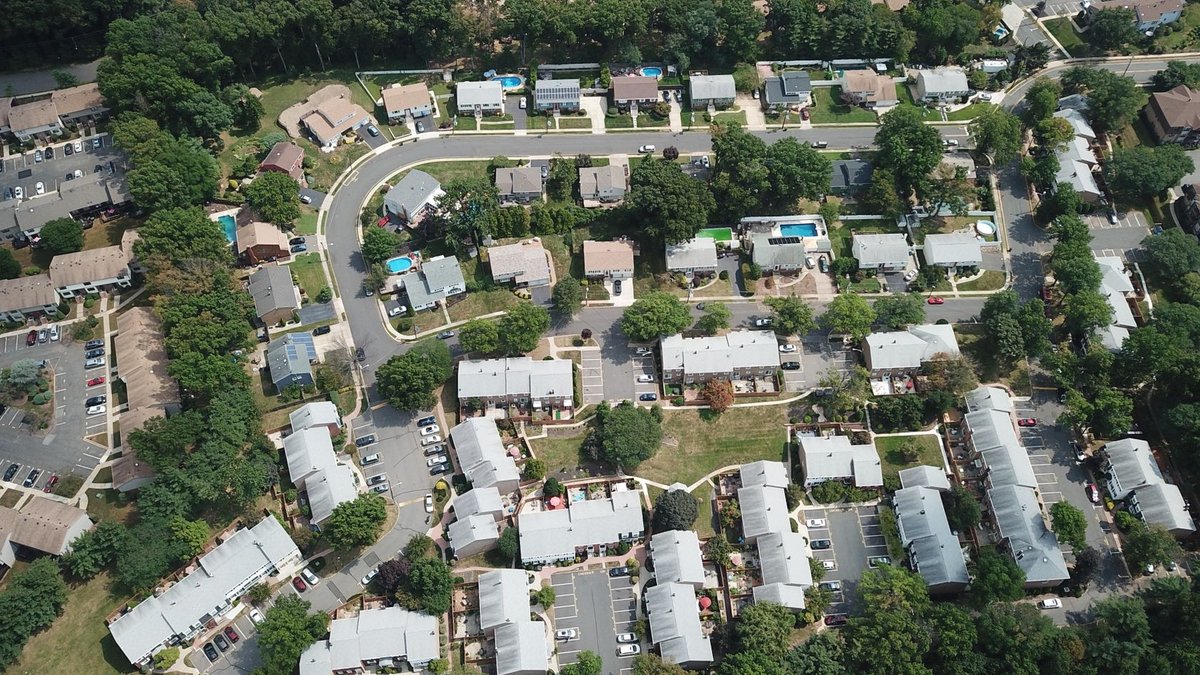
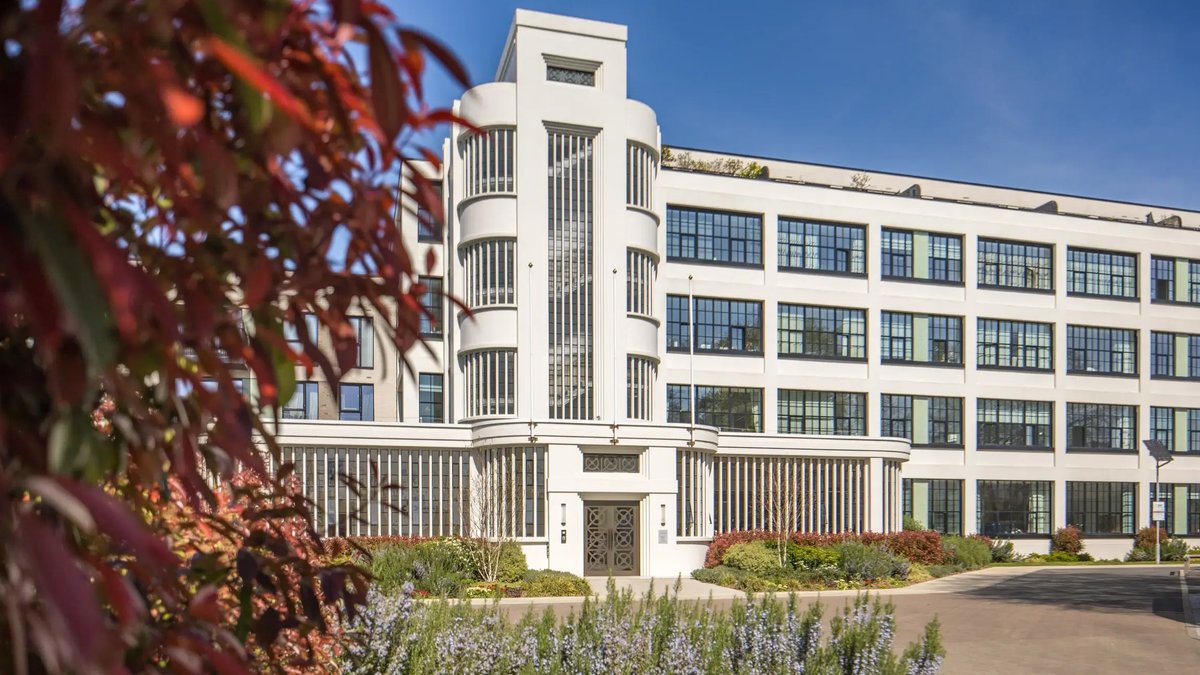
Affordable housing challenges
In the United Kingdom, the government relies heavily on private-market participation to address shortages, according to the panel.
France has introduced a scheme that matches social-rent levels with free-market rents, a measure the speakers described as useful for expanding affordable options.
The Netherlands is drafting new legislation aimed at increasing social-housing supply, responding to a persistent market deficit.

Leave a Reply