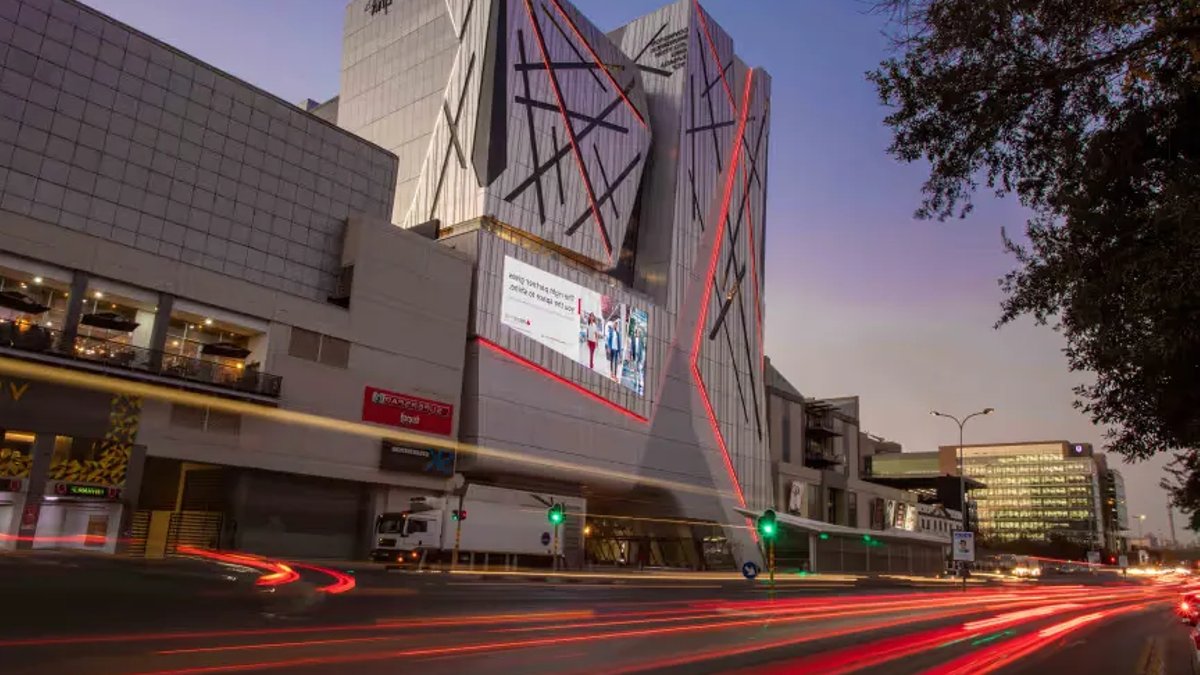
South Africa’s real estate investment trusts (REITs) demonstrated strong performance in February 2026, achieving returns of 8.1% for the month. This growth propelled the sector’s total market capitalization beyond the R350 billion threshold, as reported in the SA REIT Association Chart Book. Ian Anderson, portfolio manager at Merchant West Investments, highlighted that this milestone reflects the sector’s sustained recovery and landlord pricing power in a falling interest rate environment, supported by a 12-month rolling distribution growth of 8.06%.
The sector outperformed both the JSE All Share Index, which gained 7.0%, and bonds, which yielded 1.7% in February. Year-to-date, SA REITs have delivered 9.1% returns, continuing a two-year recovery trend. Top-performing REITs have generated total returns approaching 50% over the past 12 months, showing the sector’s rapid re-rating following the post-pandemic correction.
Institutional investors shift to REITs
A significant factor driving this growth is the change in institutional investor sentiment. Keillen Ndlovu, an independent property analyst, highlighted that 48% of fund managers were underweight SA REITs two years ago. Currently, only 12% remain underweight, while 40% are now overweight or neutral-to-overweight. This shift reflects a broader trend of institutional capital flowing back into the sector, with asset managers actively rebuilding their exposure to listed property.
This shift is evident in the physical economy. Ndlovu noted that construction activity, as indicated by the presence of cranes, has resumed in areas such as Sandton and Rosebank. The sector also raised R11.4 billion in 2025 through oversubscribed book builds, and discounts to Net Asset Value (NAV) have narrowed to 3-4%. These developments signal renewed confidence in the sector’s prospects and its ability to deliver sustainable returns.
Corporate activity and earnings growth
Several REITs reported robust earnings and strategic initiatives in February. Top performers included Heriot (+27.8%), Accelerate (+27.3%), Redefine (+18.5%), Fairvest B (+16.6%), and Hyprop (+13.6%). Growthpoint divested its 55% stake in Discovery Phase 1 for R2.32 billion, reducing its exposure to Gauteng office assets and unlocking approximately R2.0 billion in net proceeds. This move aligns with Growthpoint’s strategy to optimize its portfolio and focus on higher-yielding assets.
Meanwhile, Vukile Property Fund acquired the Islazul Shopping Centre in Madrid for €318 million through its subsidiary Castellana Properties. This acquisition strengthens Vukile’s expansion strategy in the Spanish retail market, diversifying its revenue streams and enhancing its global footprint. Operationally, Fortress REIT recorded a 16.7% increase in first-half distributable earnings, while Redefine Properties reported its strongest trading position since the post-pandemic correction. The sector’s distribution growth reached 8.06% on a rolling 12-month basis, further bolstering investor confidence.
Global recognition and future outlook
South Africa’s REIT sector has garnered international recognition. Peter Verwer, Executive Chairman of Futurefy, described South Africa as a “world-beater” in global property performance, outperforming markets like Australia, Japan, and the United Kingdom over the past five years. Verwer attributes this success to the sector’s resilience, strategic repositioning, and ability to capitalize on emerging trends.
Outlook: From recovery to earnings momentum. While the sector’s re-rating has been significant since mid-2024, the next phase of growth will increasingly depend on sustained earnings and distribution expansion. Ian Anderson of Merchant West Investments noted that investors will closely monitor whether improving earnings justify current valuations as the sector transitions from recovery to momentum, emphasizing the importance of fundamental performance in sustaining growth.




Leave a Reply