The Hamptons real estate market has surged in recent years, yet a quiet struggle persists among the region’s year-round labor force, who face sky-high rents and stagnant wages.
Rising Rents Push Workers Into Hardship
In the seaside towns that draw affluent summer visitors, many long-time residents earn minimum-wage wages while paying more than $2,700 a month for a modest cottage.
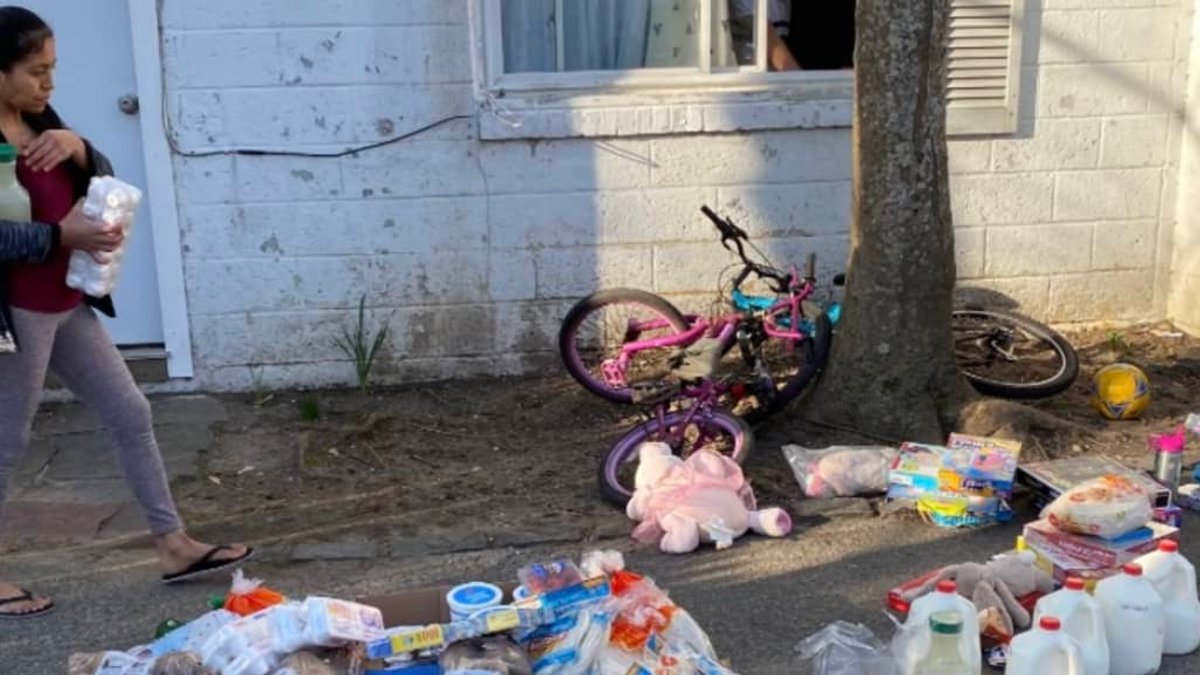
Mary, who asked to remain unnamed because she lacks legal status, works three jobs—including house cleaning and elder care—to stay afloat. She and her estranged husband and daughter share the rent, which she describes as a “relative bargain” but still a daily strain.
Related: Right of First Refusal Option Considered
Since the pandemic, demand for homes on the East End of Long Island has exploded. Properties that once served as rentals are being bought, torn down, and rebuilt as larger, year-round residences. The supply of affordable units has not kept pace, and zoning hurdles, lengthy approval processes, and local opposition have stalled new workforce housing projects.
Basic costs—from gasoline to groceries—have risen sharply, while wages have barely moved. Winter months are especially tough, with many families scrambling for cash to cover heating and food.
Nonprofits Step In to Fill the Gap
Hamptons Community Outreach (HCO) began in 2018 after a playdate highlighted that some children could not afford basic art supplies. Founder Marit Molin expanded the effort from a summer art camp for 25 kids to a program serving more than 140 children, about 80% of whom attend for free with lunch and transportation provided.
Related: Home Prices Rise After Detailed CMA Shows Trends
During the pandemic, HCO launched a meal-delivery initiative that now reaches 200 families each week. The organization also runs an emergency assistance fund covering rent, medical, dental, and transportation costs. It relies primarily on individual donors, supplemented by grants.
Meanwhile, Maureen’s Haven offers shelter and case management for those who fall through the safety net. Executive director Dan O’Shea notes an increase in first-time homelessness among elderly residents since the pandemic. The organization’s night shelter housed 30-40 adults each evening during the winter, assisting roughly 160 people that season.
These nonprofits operate with limited public funding, allowing them to respond quickly to urgent needs.





Leave a Reply