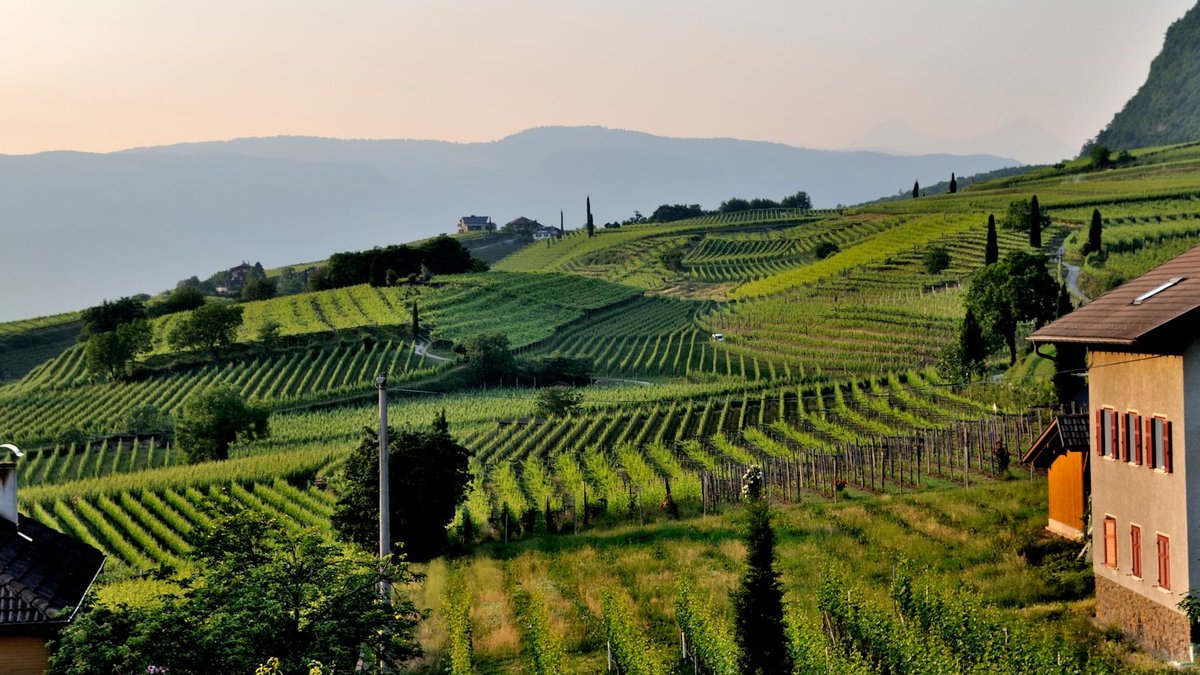
Wine country living doesn’t always require a seven-figure budget. In lesser-known regions around the world, buyers can find historic villas, modern farmhouses, and vineyard estates at a fraction of the cost of Napa or Bordeaux.
La Rioja’s centuries-old villas for around $575,000
In north-central Spain, La Rioja has produced wine for over 2,000 years. The region earned Spain’s highest wine classification in 1991. Renovated villas, some dating back hundreds of years, sell for little more than €500,000 (US$575,860).
The Ebro River and Cantabrian mountains shape the area, where medieval fortresses and cobblestone villages stand among rolling vineyards. Tempranillo grapes dominate, and local wineries dot the countryside. The slow pace and historic charm attract buyers looking for a quieter alternative to more famous European wine regions.
Colorado’s Palisade: From coal town to wine destination
Palisade, Colorado, was once a coal-mining town. Now it’s known for wine, peaches, and outdoor recreation. The town of 2,600 sits 10 miles east of Grand Junction, where the Colorado River cuts through the Rocky Mountains. A mileslong bike route links dozens of wineries, distilleries, and breweries, making it a center for agritourism.
A modern farmhouse set among rows of Malbec can be bought for less than $2 million. The high desert climate—hot days and cool nights—mirrors conditions in some of the world’s best wine-growing areas. Palisade’s growing reputation has also drawn adventure tourists, who come for festivals and nearby hiking and rafting.
For buyers, the appeal goes beyond price. It offers a chance to own property in a region still defining itself. The young vineyards and evolving industry allow for experimentation and involvement in something new.
North Carolina’s Crest of the Blue Ridge: A hidden gem
Western North Carolina’s Crest of the Blue Ridge is gaining notice for its rocky soil, steep slopes, and dramatic temperature shifts—conditions similar to those in France’s wine regions. Heath Little, owner of Stone Ashe Vineyard and Winery, describes the area as thriving.
His parents, Craig and Tina Little, selected the site for its elevation and climate. During the growing season, temperatures drop from 85°F during the day to 65°F at night, helping grapes develop complexity. The elevation and rocky terrain also reduce pest and disease risks common in other wine-growing areas.
The region remains relatively unknown, keeping prices lower than in established areas. Buyers find properties with vineyard potential for far less than in California or Europe. The trade-off includes fewer amenities and a quieter lifestyle, though privacy and natural beauty make it an attractive option.
Quebec’s Île d’Orléans and Michigan’s Traverse City are also gaining interest. Île d’Orléans, named by French explorer Jacques Cartier in 1535, now produces award-winning wines from hardy northern grape varieties. Traverse City, once famous for cherries, has become a wine destination with over 50 wineries on the Leelanau and Old Mission peninsulas.
These regions show that wine country living isn’t limited to the wealthy. With research, buyers discover properties that balance affordability and a relaxed lifestyle. For example, an estate in Ireland recently sold for €14.5 million, but far more accessible options exist in emerging wine regions.





Leave a Reply