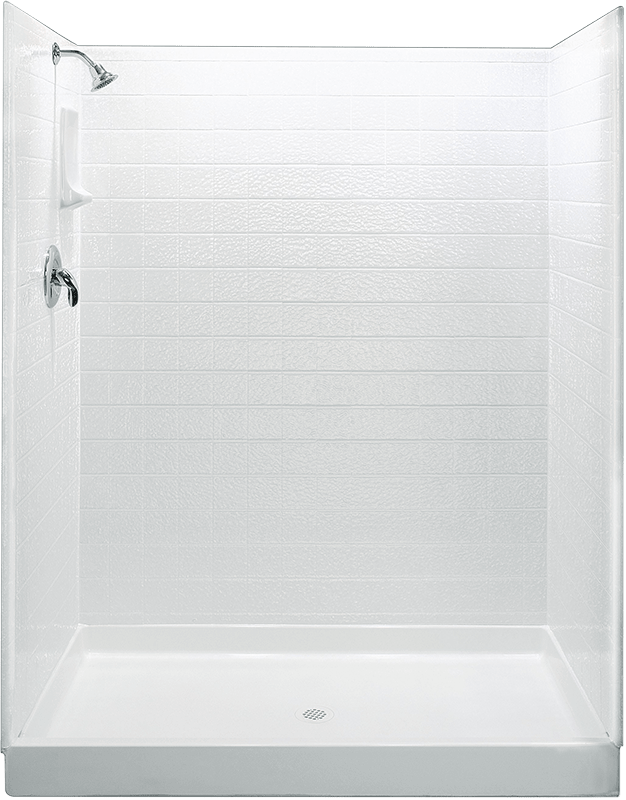
Acrylic showers fail because persistent water infiltration, structural flexing, and aggressive chemical cleaning degrade the material integrity beyond simple repair. Homeowners often install acrylic shower units expecting a low-maintenance, long-lasting bathing enclosure. Over time, daily thermal expansion cycles, hairline cracking, and adhesive bond failures compromise the shower basin and wall panels. Recognizing the warning sign of structural failure prevents catastrophic water damage, black mold growth, and expensive subfloor rot.
Persistent Subfloor Water Leaks and Rot
Hidden water leaks behind acrylic shower walls or beneath shower pans cause silent, extensive damage to a home’s wooden framing. Acrylic surrounds rely heavily on silicone caulking and precise factory seams to keep water contained within the wet zone.
Over time, thermal expansion causes caulking to shrink, harden, and pull away from tile flanges and wall corners. Water seeps through these microscopic gaps during every shower, soaking drywall, cement backer board, and wooden subfloors. Left unchecked, trapped moisture invites carpenter ants, termites, and aggressive black mold colonies. Musty odors emanating from bathroom walls or soft, spongy flooring outside the shower threshold serve as urgent indicators that underlying structural replacement is overdue.
Stubborn Stains and Permanent Discoloration
Acrylic surfaces feature a smooth, non-porous gel coat finish that resists staining when properly maintained. Exposing this finish to harsh abrasive cleaners, hard water minerals, or heavy hair dyes strips away the protective seal, rendering the plastic highly porous.
- Mineral Scale Build-Up: Hard water containing high concentrations of calcium and iron leaves stubborn orange or white crusts that etch permanently into the acrylic surface.
- Chemical Burn Damage: Bleach, ammonia, and aggressive scrubbing pads dull the glossy finish, turning bright white acrylic into a dull, chalky yellow color.
- Ingrained Grime: Once the protective top layer wears away, body oils, soap residue, and dirt embed deep into the microscopic pores, making the shower impossible to get truly clean.
When scrubbing no longer restores the original shine and the material looks permanently dingy, replacing the unit refreshes the entire bathroom aesthetic and restores a hygienic bathing environment.
Warping and Panel Delamination
Acrylic wall panels depend on industrial-grade adhesives or mechanical fasteners to bond securely to waterproof backer boards. Poor initial installation, high humidity, and extreme temperature fluctuations cause the adhesive bonds to break down.
When adhesive fails, wall panels begin to bow, warp, or pull away from the studs. This movement creates large gaps where water crashes directly onto exposed drywall, severely stressing plumbing fittings and corner seams. Warped panels also trap condensation between the plastic sheet and the wall, accelerating mold growth that cannot be reached or cleaned from the inside.
Outdated Styles and Damaged Fixture Openings
Beyond structural failures, changing household needs and aesthetic preferences often drive the decision to replace an acrylic shower. Older acrylic units frequently feature bulky built-in soap dishes, outdated color palettes like harvest gold or avocado green, and awkward configurations.
Furthermore, remodeling projects often require moving plumbing valves or upgrading to modern shower towers, body sprayers, and frameless glass doors. Trying to cut new holes into brittle, aged acrylic usually leads to splintering and cracking. Installing a new shower enclosure allows homeowners to customize layout designs, improve accessibility features like low-threshold pans, and modernize the overall bathroom decor.
Conclusion
Acrylic shower replacement becomes necessary when structural cracks, hidden water leaks, and material degradation compromise the safety and hygiene of the bathroom. While temporary patches and sealants offer brief relief, they cannot restore the integrity of failing subfloors, warped wall panels, or porous, stained surfaces. Upgrading to a brand-new shower enclosure eliminates leaks, stops mold growth, and provides a durable, beautiful centerpiece that serves the household reliably for years to come.



Leave a Reply