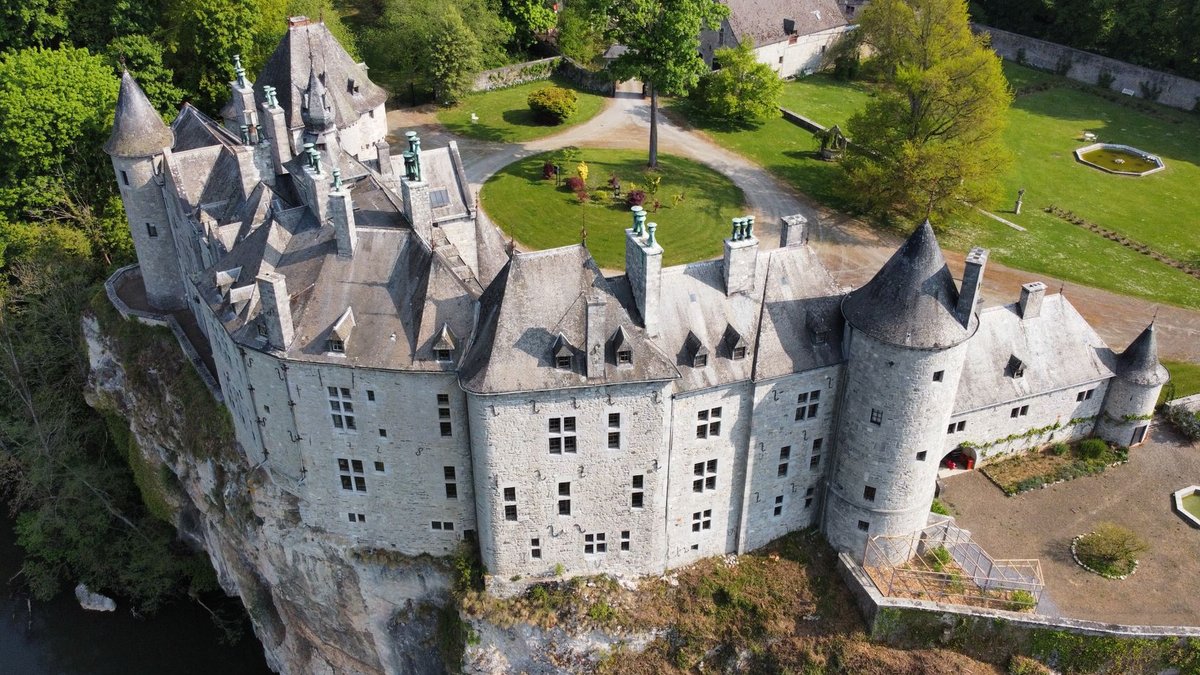
The median asking price for a European castle is €1.74 million (US$1.97 million), according to a new report by the Castle Collector that analyzes listings and sales to uncover bargains. That figure might not sound exorbitant for luxury real estate, but the report notes that the purchase price is only the beginning of the financial commitment. A new analysis of the market reveals that while the initial cost can be manageable, the long-term expenses of maintaining these historic properties often exceed the price tag.
Location determines the value. The cheapest market for castle buyers is Poland, where a budget of €1 million buys approximately 13,832 square feet. Switzerland remains the most expensive option, where that same budget yields only 678 square feet, barely enough for a large residence. Italy offers a middle ground with 6,340 square feet, while France provides 4,693 square feet and Ireland comes in at 3,229 square feet. Gottfried von Berlichingen, a specialist broker for castles and manor houses in Germany at Engel & Völkers, notes that buyers often overlook the value of space.
“Hardly anyone thinks in these terms, though, because the price tag in absolute numbers is off-putting at first glance,” von Berlichingen said. “A castle frequently comes with several thousand square meters of usable space.” By measuring the cost per square meter, he argues that castles can be genuine bargains compared to standard homes. This perspective is echoed by Jack Harris, a partner at Knight Frank, who suggests that looking slightly off the beaten track reveals affordable options.
Related: Luxury living found in budget wine regions
Beyond the initial purchase, buyers face significant challenges. Renovation investments are not always recouped when a castle sells, Harris warned. He recommended conducting due diligence on the land surrounding the property and any rights or liens attached to it. The report indicates that English-speaking buyers, including Americans and Brits, are most interested in Scottish castles, followed by France, Ireland, England and Germany. Despite the high costs, the desire to own these properties often overrides financial logic.
Buying a castle requires a realistic assessment of the building’s condition, according to Alastair Houlden, director of country house sales at Rettie. “Prospective purchasers need to understand the condition of the roof, stonework, services, heating and drainage, together with the likely ongoing costs of insurance, staffing and maintaining the building and grounds,” Houlden said. He adds that buyers should consider how they intend to use the property, as ancillary buildings can provide income.


Leave a Reply