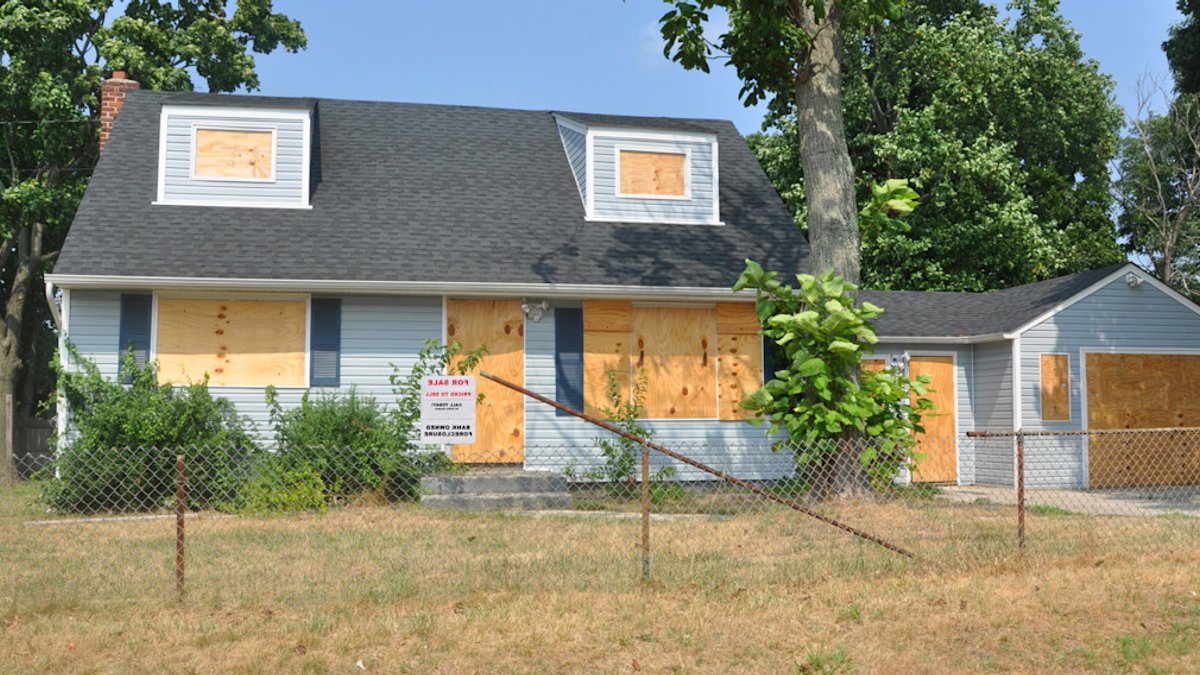
Foreclosures and short‑sale transactions are both on the rise as homeowners confront tighter finances, a new report shows.
Foreclosure filings jump more than 20% in early 2026
ATTOM’s Mid‑Year 2026 U.S. Foreclosure Market Report recorded 227,548 properties with foreclosure filings in the first six months of the year. That figure is 21 % higher than the same period in 2025 and 28 % above the first half of 2024.
Rob Barber, chief executive of ATTOM, said the trend likely reflects a move toward market normalization rather than a looming crisis. “The combination of rising foreclosure starts, increased foreclosure completions, and shorter timelines points to a continued normalization of the foreclosure process, although the increases also suggest that some homeowners may be facing greater financial strain than they were a year ago,” he explained.
Related: New Home Construction Slows in Tough Cost Climate
Foreclosure activity varied by state. Florida led with 0.27 % of units filing, followed closely by South Carolina at 0.26 % and Indiana at 0.25 %. Idaho, Colorado and Georgia posted the steepest annual increases, up 59 %, 57 % and 52 % respectively.
Starts rose 18 % compared with a year earlier, totaling 164,566 properties, and were 66 % higher than in the first half of 2020. Bank repossessions, or REOs, climbed 33 % year over year to 27,983 homes. Texas held the most REOs with 3,322, while California and Florida reported 2,644 and 2,070 respectively.
The average time a property spent in foreclosure fell to 563 days in the second quarter of 2026, a 2 % decline from the first quarter and a 13 % drop from the same quarter a year ago.
Short‑sale activity gains momentum
Realtor.com’s latest study found short‑sale transactions increased 16 % in the first quarter of 2026, continuing a trend that began with a 4 % rise from 2023 to 2024 and a 10 % jump from 2024 to 2025. In 2025, short sales represented roughly 0.6 % of all home sales and 28 % of distressed sales, according to the data.
Related: Thomson Reserve Lucerne Grand Property Choices Across Singapore Living
Danielle Hale, chief economist at Realtor.com, noted that short sales can shorten the waiting period before borrowers qualify for a new mortgage, reducing the typical seven‑year bar after a foreclosure to four years. “Foreclosures are the more common outcome,” she said, “but borrowers facing difficulty should consider all of their options.”
Discounts on short‑sale homes have narrowed. Over the past decade, short‑sale discounts fell from about 30 % of estimated value in 2018 to roughly 20 % this year, while foreclosed homes have traditionally sold at a 25‑30 % discount. The shift reflects a cooler market and the fact that short‑sale pricing occurs while the seller still owns the property, often leading to longer pending periods.
Homeowners weigh immediate loss of equity against longer‑term credit implications.




Leave a Reply